
An archive of AgencyAgile
We made teams better, faster, happier — the work continues at Better Company.
For more than a decade, AgencyAgile helped agencies, marketing teams, and project-driven organizations work with less chaos and more clarity. The methods, the case studies, and the writing live on here. The active practice has moved.
Collaboration & Scoping
Context-driven handoffs, team-driven roadmaps, and client briefings — built so everyone understood the work the same way.
On-time, On-budget Delivery
Pace, cadence, and team rhythm designed for the way agencies actually operate, not the way software shops do.
Teams & Clients
Less fire-fighting, fewer re-scopes, more pride in the work. Culture is what happens when we work together.
“AgencyAgile has done an amazing job at incorporating only the most relevant and impactful tenets of Agile, putting a tremendous amount of thought into how the framework should be adopted and accepted by a diverse agency role mix.”— Agency operations leader
AgencyAgile is now Better Company.
The methods, the people, the practice — same DNA, new home, broader scope. If you came here looking for help, that's where to start.
Visit bettercompany.co →Case studies
A few of the engagements that defined the work.
The Emergent Leader
How just 16 hours of coaching transformed a deep specialist into a confident leader.
Case StudyColle McVoy Transformation
How an established agency rebuilt the way teams collaborate, scope and ship.
Case StudyLaneTerralever
Happier clients, happier teams, stronger margins. A measured outcome story.
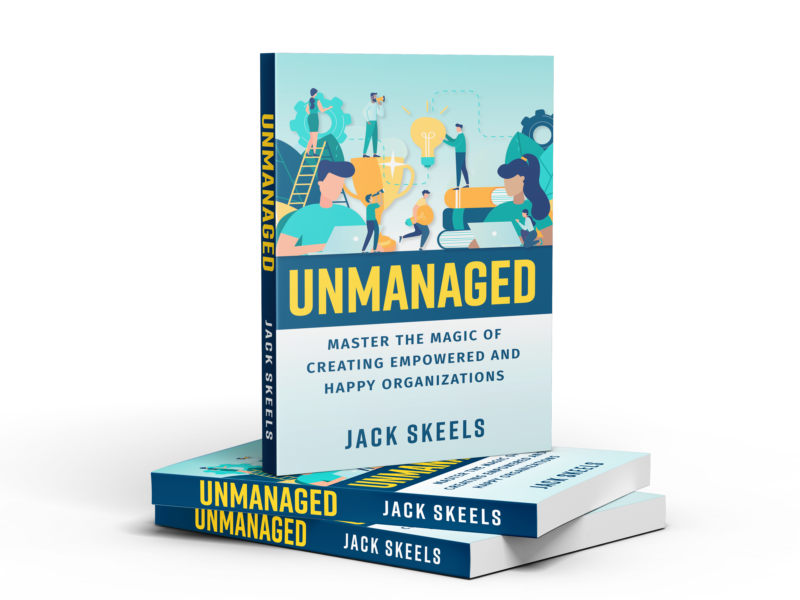
The book: Unmanaged
Jack Skeels' book on the management mistakes that quietly destroy agencies — and what to do about them.
What was AgencyAgile
A leadership and management system for real-world organizations — derived from Software Agile and extended with research-based techniques from behavioral economics, cognitive science, and evolutionary psychology. First developed for advertising and marketing agencies in 2011. Highly effective in most naturally-occurring chaotic organizations. More about the method →